
Opinion

The leader the World Bank needs

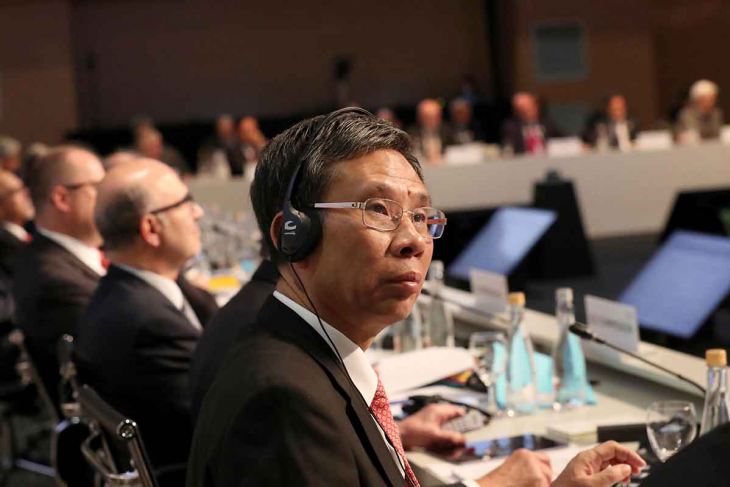
Jim Yong Kim’s sudden resignation as president of the World Bank Group (WBG) offers an opportunity to reflect on the direction, legitimacy, and effectiveness of that 75-year old institution. Like other multilateral institutions, the Bank in recent years has been criticised for its elitism and for championing outmoded models of economic globalisation that have failed to deliver broad-based benefits.
19 January 2019
0

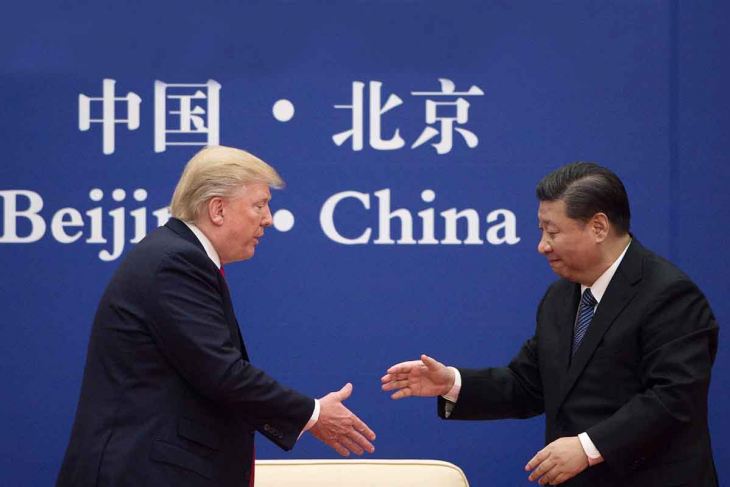
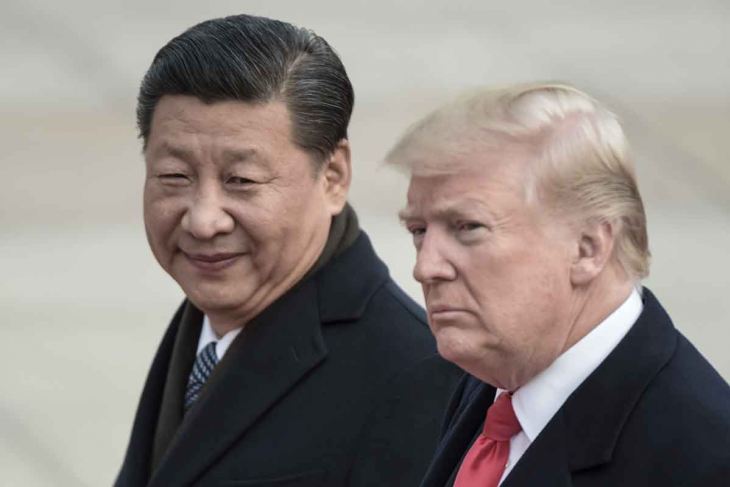
How US monetary policy tamed China

Chinese leaders do like their slogans, and where foreign policy is concerned, two have reflected Beijing’s thinking in recent times. The first is the cautious principle of tao guang yang hui, usually rendered in English as “hide your light and bide your time,” which guided Chinese policy for decades after Deng Xiaoping established it in the 1980s.

16 January 2019
0

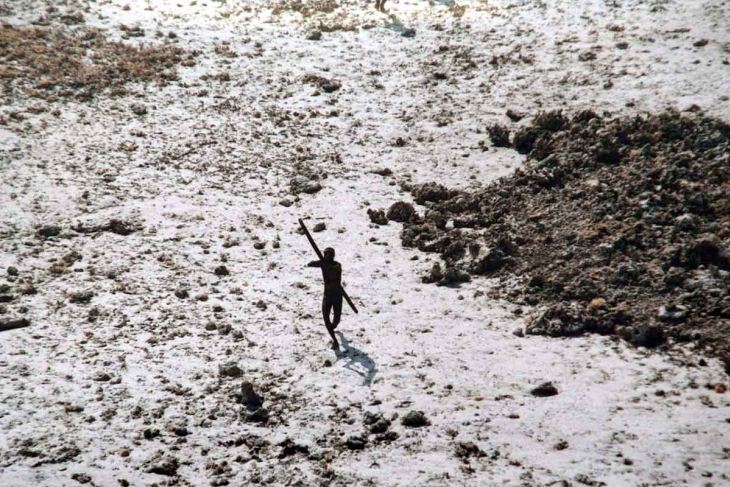
The vital isolation of indigenous groups

The remote, coral-fringed North Sentinel Island made headlines late last year, after an American Christian missionary’s covert expedition to convert its residents – the world’s last known pre-Neolithic tribal group – ended in his death.

13 January 2019
0

China’s malign secrecy

Secrets may be among the most valuable assets that governments have: the Trojan Horse, the Enigma code, the Manhattan Project, and surprise attacks such as Pearl Harbor, the Six-Day War, and the Yom Kippur War are just a few of the best-known examples. But in some cases, governments’ desire for secrecy is hard to square with national interest – and may even be among the most dangerous threats to it.

11 January 2019
0

An optimist’s guide to climate change

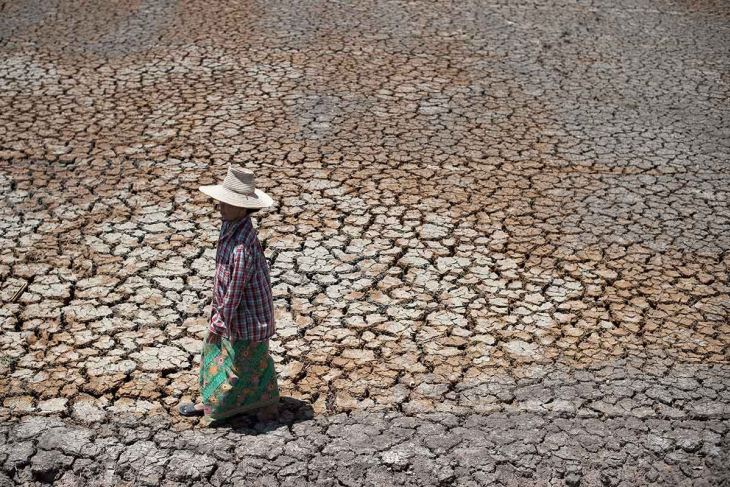
During a recent commute to work, as my car inched along in rush-hour traffic, I watched a heron stalk the banks of the Potomac River. The majestic bird was a timely reminder that nature and beauty can be found in the unlikeliest of circumstances. And yet, even for optimists like me, it is getting harder to be hopeful about the fate of our planet.Grim environmental news is nothing new, but 2018 brought a deluge of it.

10 January 2019
0

How to stop losing the fight against malaria

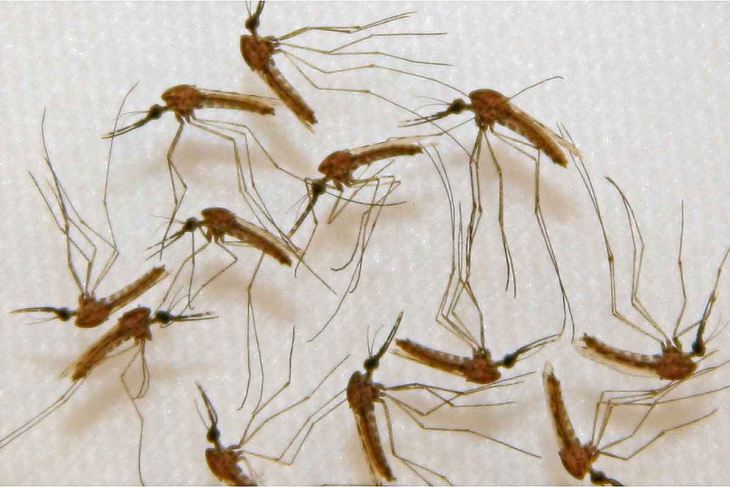
When it comes to fighting infectious diseases, progress cannot be gauged by the availability of resources; the most important metric is the number of lives saved. By this measure, the world is on the verge of losing its battle with malaria.After years of impressive gains, global efforts to combat the mosquito-borne illness have stalled.

7 January 2019
0

A year to act

Let us hope that 2019 is the year when the historical tide turns. In 2018, divisions within and between countries continued to deepen. And while geopolitical tensions and political tribalism have transformed international relations and national politics, new technologies are upending long-held assumptions about security, politics, and economics. Complicating matters further is the growing interdependence of our societies.

5 January 2019
0

Nature versus infrastructure

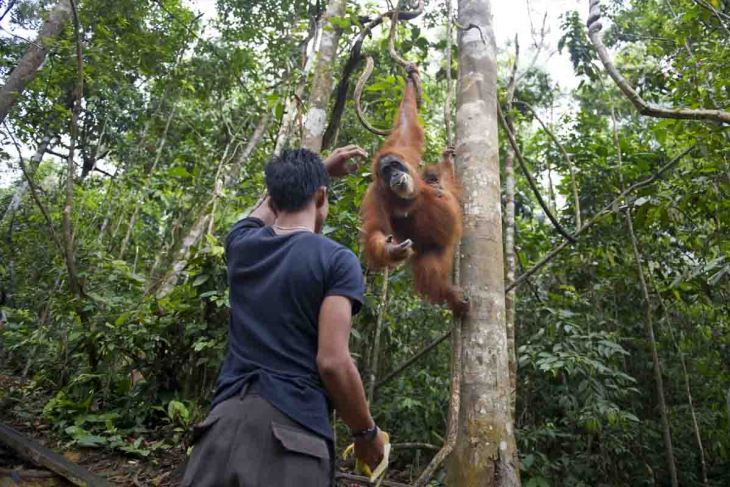
In November 2017, scientists working in Sumatra, Indonesia, made an exciting announcement: they had discovered a new species of orangutan, bringing to seven the number of great ape species globally.But one year later, the only home of the 800 wild Tapanuli orangutans is being cleared for a US$1.6 billion dam and hydroelectric power plant.

4 January 2019
0

A makeover for Chinese macroeconomic policy

China’s economic performance in 2018 was rather disappointing. According to official statistics, the country’s growth rate up to the end of the third quarter was 6.7 percent, the lowest since the global financial crisis. The real situation was probably even worse.A lack of progress on institutional reform, together with obstacles to structural adjustment, have been fuelling doubt among many foreign and domestic observers about China’s growth prospects.

3 January 2019
0

Who benefits from Trump’s trade war?

In 1950, the Canadian-born Princeton University economist Jacob Viner explained a customs union produces a “trade creation” effect, as lower tariffs and non-tariff barriers spur increased flows of goods among member countries. But Viner noted that a customs union also generates a “trade diversion” effect, as countries that are not part of it face reductions in their trade with countries that are.

2 January 2019
0

Women, work, and India’s rickshaw revolution

When resources are limited, it is human capital that defines the sustainable development of a community, especially in the case of costly misallocation and underutilisation, as is often the case in developing countries.

25 December 2018
0