

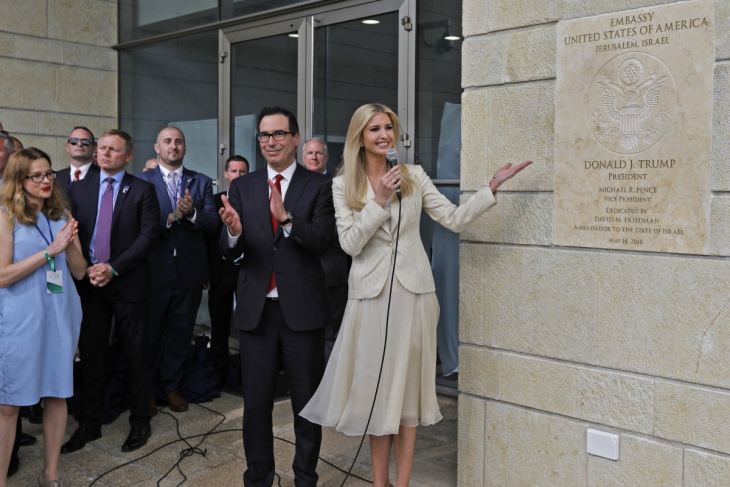
Ripples Of An Embassy Shift
As Muslims around the globe usher in the holy month of Ramadan, an all-too familiar narrative rears its head once again.
As Muslims around the globe usher in the holy month of Ramadan, an all-too familiar narrative rears its head once again.
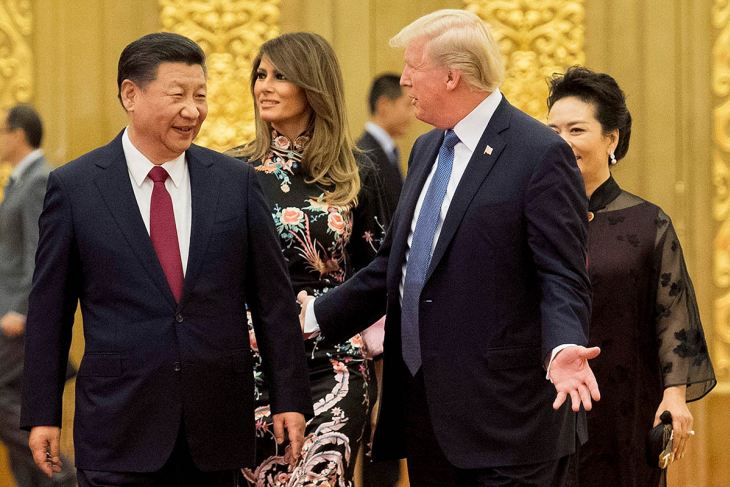
China has offered United States (US) President Donald Trump a US$200 billion reduction in its annual trade surplus with the US by increasing imports of American products and other steps, said a Trump administration official.China made the offer during talks in Washington this week as Chinese Vice Premier Liu He visited to try to resolve a trade dispute, the official said, speaking on condition of anonymity. Liu met with Trump Thursday afternoon at the White House.
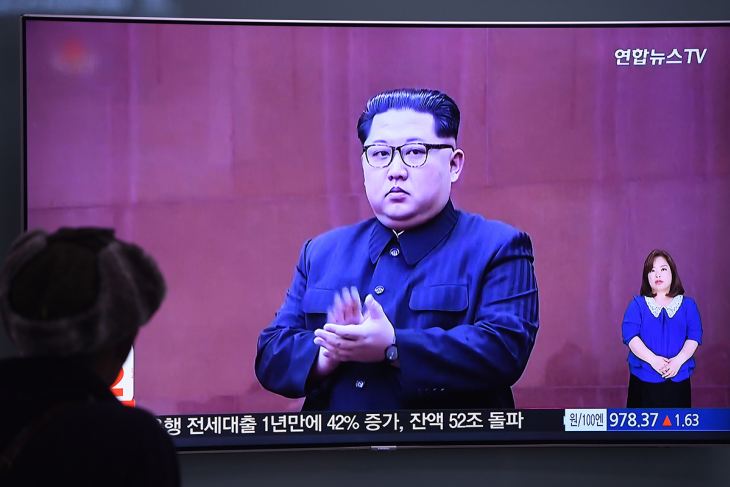
The euphoria surrounding possible reconciliation in the Korean Peninsula has now been dampened after North Korea threatened to pull out from talks with the United States (US) earlier today. This came after Pyongyang backed out of a high-level meeting with Seoul and threatened to do the same with Washington. US President Donald Trump was scheduled to meet head of the North Korean dictatorial regime, Kim Jong-un in Singapore on 12 June.
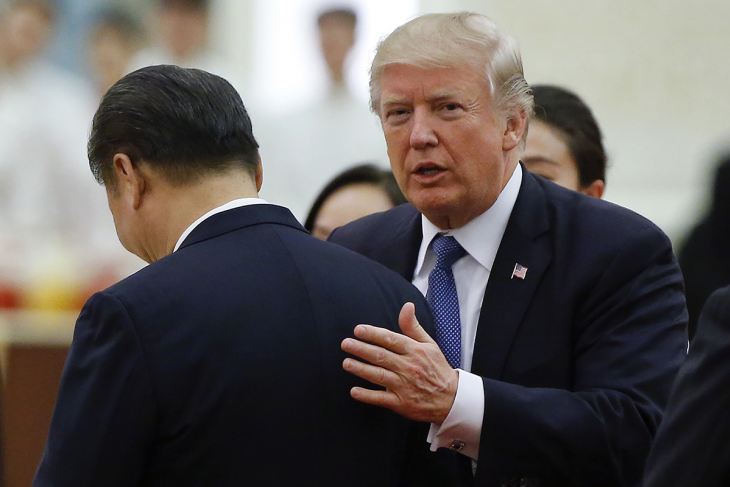
Two days of US-China trade discussions ended in Beijing with an agreement to keep on talking, and little else.China’s official Xinhua News Agency reported Friday afternoon that both sides reached a consensus on some trade issues while acknowledging major disagreements on some matters. It said they would continue discussions, without providing specifics for when they would start again.
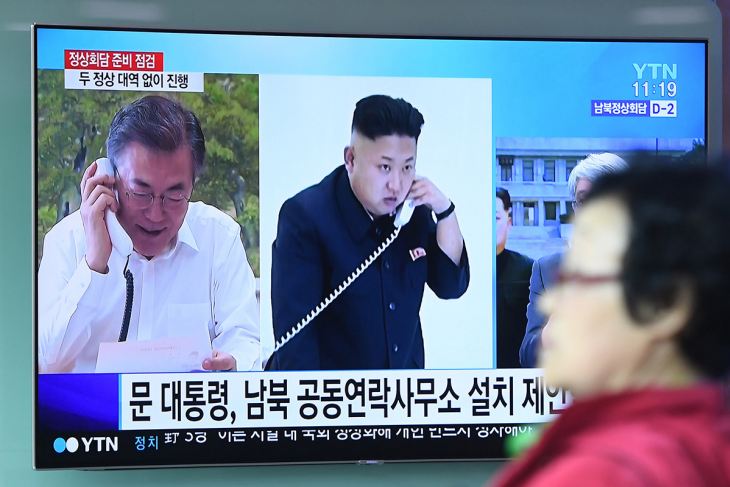
North Korean leader Kim Jong-un seems to be setting the stage for an historic deal with US President Donald Trump that would allow his country, like Myanmar and Vietnam, to reduce its dependence on China and move closer to the West.
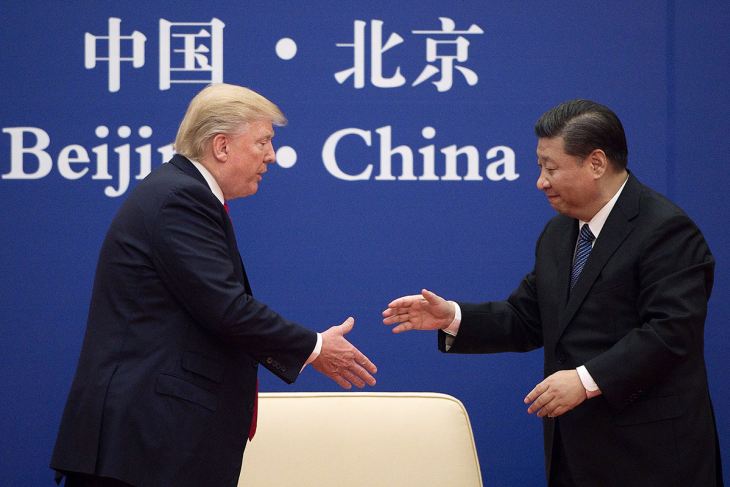
Last month, US President Donald Trump’s administration fired the opening salvo in what is quickly shaping up to become a full-blown trade war. While trade friction has long been an issue in the Sino-American relationship, few expected such an escalation, not least because economists widely view trade wars as damaging to all parties. So how did we get to this point, and can we turn back before it’s too late?First and foremost, Trump does not seem to understand how trade works.
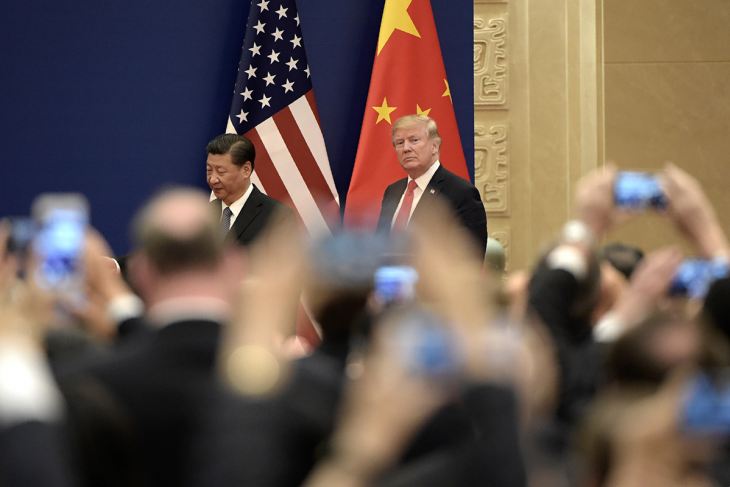
Last month, US President Donald Trump enacted steel and aluminum tariffs aimed squarely at China. On April 2, China retaliated with tariffs on 128 American products. Trump then announced 25% tariffs on another 1,300 Chinese products, representing some $50 billion of exports.
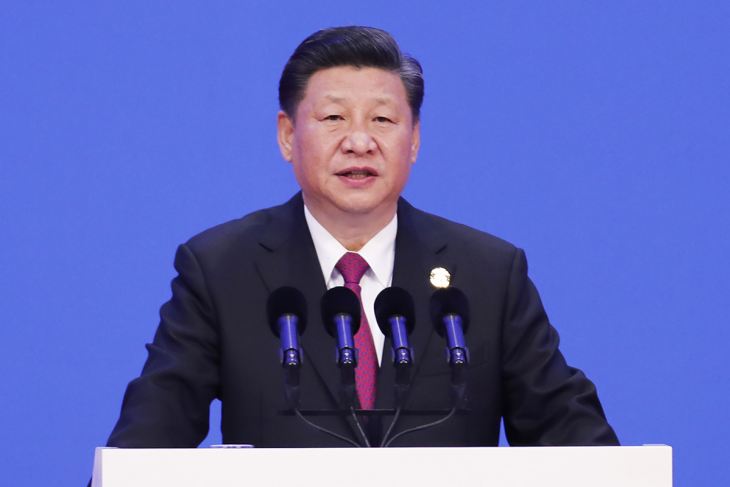
“I want to clearly tell everyone that China’s open doors will not close, but will only open wider,” China’s President, Xi Jinping proclaimed to rousing applause from attendees at the Boao Forum for Asia in China’s Hainan province last Tuesday. The Boao Forum, which also goes by the sobriquet, “The Davos of Asia” was attended by foreign heads of governments and industry movers and shakers from the world over, mostly from the Asian region.
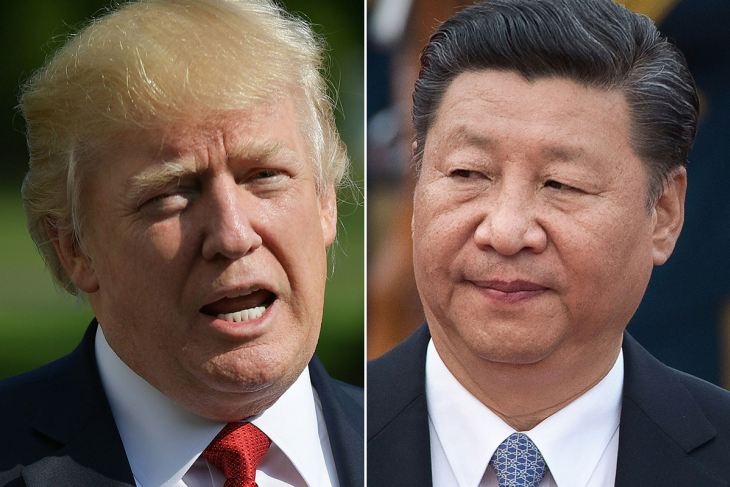
The world will soon witness a historic test of wills between China and the United States, two superpowers whose leaders see themselves as supreme. In the immediate sense, it will be a battle over trade. But also at stake is the strategic leadership of East Asia and, eventually, the international order. As things stand, China holds a stronger position than many people realise.
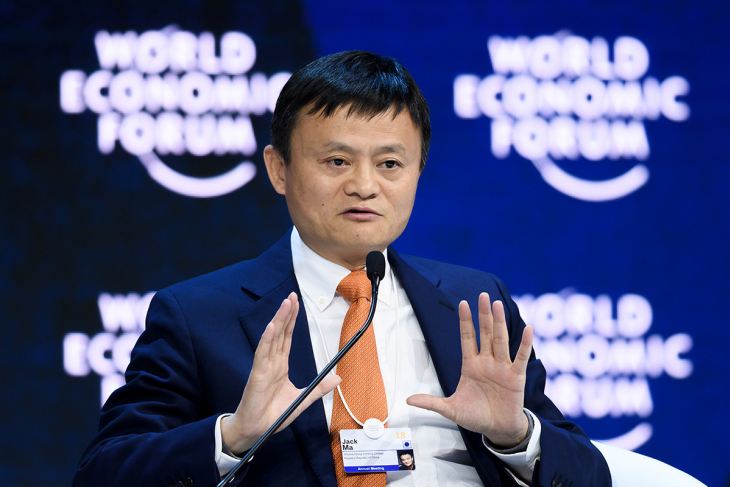
Jack Ma, the billionaire co-founder of Chinese e-commerce giant Alibaba, urged Mark Zuckerberg to tackle the growing criticism aimed at Facebook Inc. by regulators and users around the world, and “really take it seriously.”China’s richest man and chairman of Alibaba Group Holding Ltd. on Monday weighed in on the controversy, calling on his fellow internet pioneer to “fix” a social network that had grown explosively over the past decade and a half.
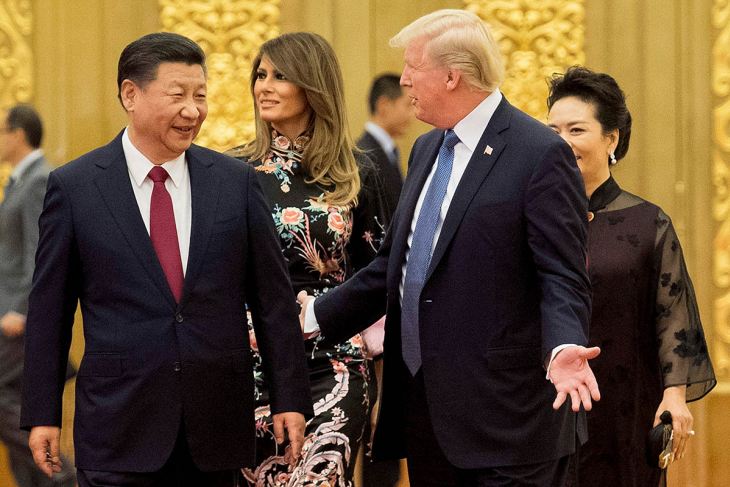
Chinese President Xi Jinping vowed to open sectors from banking to auto manufacturing, in a speech that also warned against returning to a “Cold War mentality” amid his trade disputes with U.S. counterpart Donald Trump.Xi said China would increase imports, lower foreign-ownership limits on manufacturing and expand protection to intellectual property.
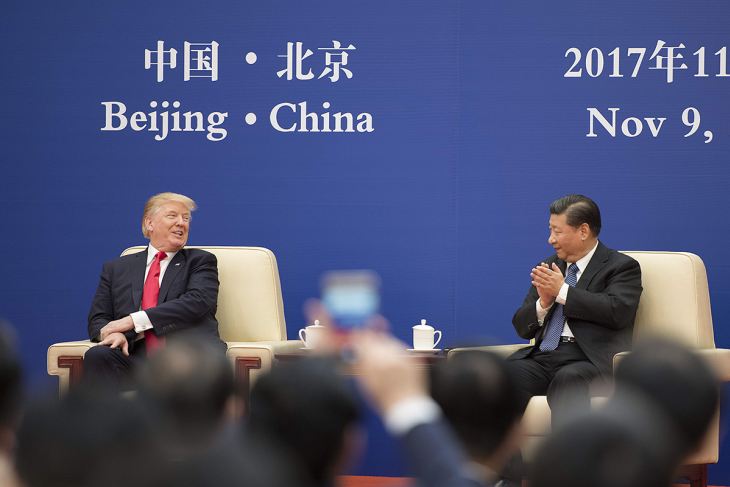
The world is watching as the United States (US)-China trade war unfolds before our eyes. While the trade war might be between two countries, but it’s effects are far reaching, especially in the current globalised landscape we all live in.The trade war between the two countries kicked off in January when the US announced a 30% tariff on imported solar panels and a 20% tariff on washing machines. The trade war then intensified when US President Donald Trump imposed a 25% tariff on steel.