Environment

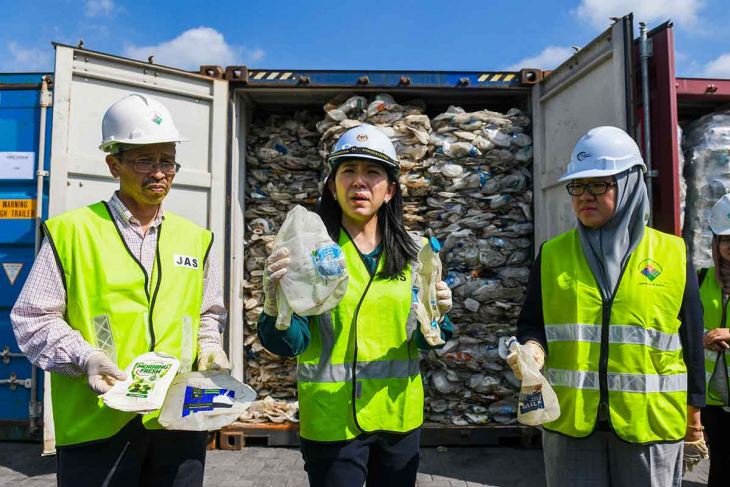
Malaysia ships back plastic waste

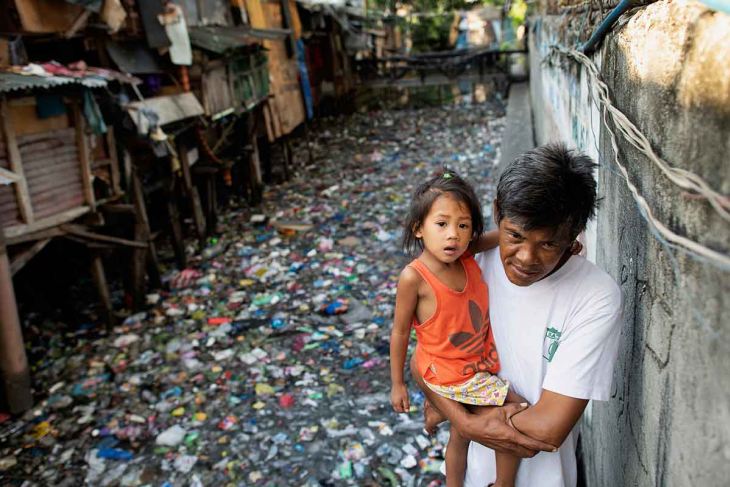
Hundreds of tonnes of imported plastic waste will be shipped back to where it came from, Malaysia said Tuesday, insisting the country did not want to be a global dumping ground.Around 300 million tonnes of plastic are produced every year, according to the Worldwide Fund for Nature (WWF), with much of it ending up in landfill or polluting the seas, in what is becoming a growing international crisis.China had previously taken a large amount of waste for recycling, but abruptly stopped last year

29 May 2019
0

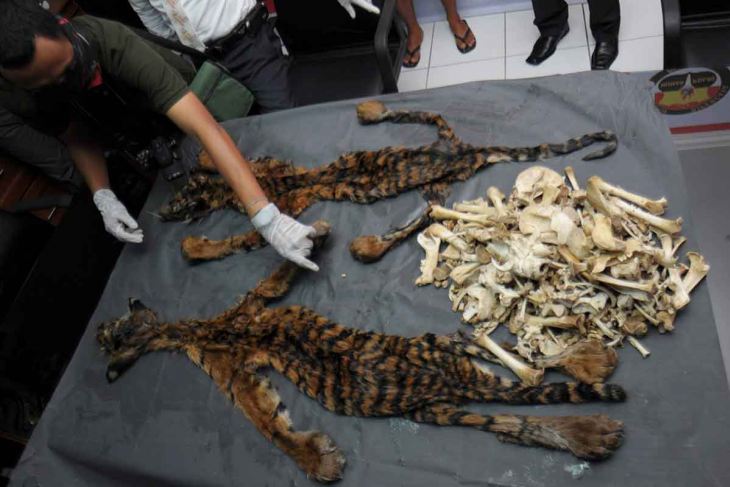
Money laundering and the illegal wildlife trade

While it has all the hallmarks of transnational organised crime, the illegal wildlife trade continues to be viewed as being outside ‘mainstream crime’.Frequently linked to other forms of serious crime such as fraud, corruption and money laundering, the illegal wildlife trade generates an estimated US$20 billion annually and is the fourth most profitable criminal trafficking enterprise behind drugs, arms and human trafficking according to the United Nations Office on Drugs and Crime (UNODC).&a

28 May 2019
0

Child sex trade on the rise

The International Criminal Police Organization (Interpol) recently revealed that nine people had been arrested in Thailand, Australia and the United States (US) after investigators took down an online paedophilia ring.

27 May 2019
0

Measles threat looms large over ASEAN

Measles cases have been rising across the globe in 2019, with global data released by the World Health Organisation (WHO) last month showing that reported cases rose by 300 percent in the first three months of 2019 compared to the same period in 2018.

27 May 2019
0

Timber mischief in Vietnam 

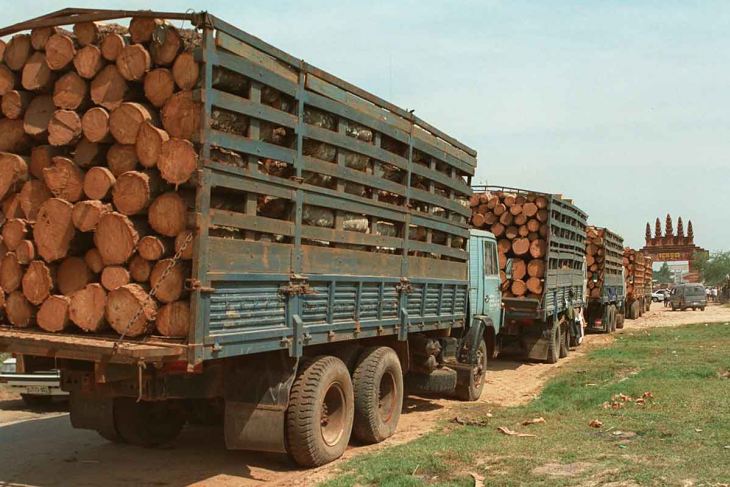
In the Southeast Asian region, loss of area under natural forests is largely driven by natural resources extraction and demand for more land for production of food and other commodities. Earlier in 2018, progress tracking of the 2030 Agenda for Sustainable Development goals for Southeast Asia revealed disappointing outcomes for Sustainable Development Goal (SDG) 15.

26 May 2019
0

Myanmar gem hunters risk lives for quick profit

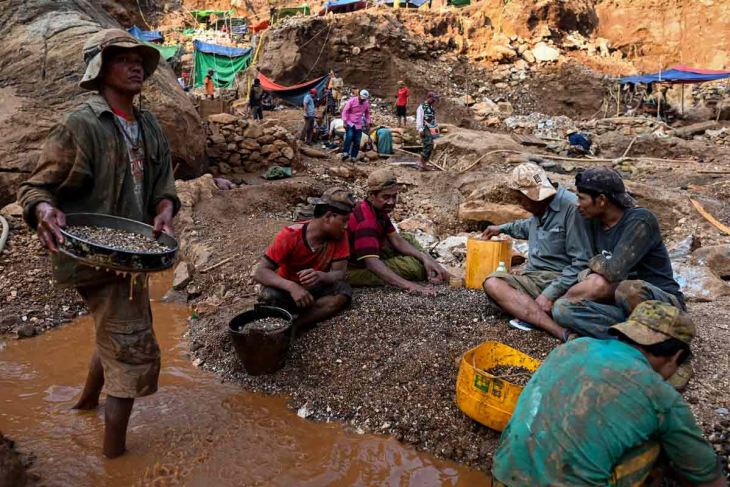
Burrowing deep underground, thousands of informal miners risk their lives to find gleaming red gems as a law change spurs opportunity in Myanmar's "land of rubies".Emperors, kings and warlords have long fought over the valley of Mogok in Mandalay region, where the unique "pigeon-blood" stones lie hidden.The Mogok rubies are the most expensive in the world, with the highest-quality jewels fetching multi-million-dollar prices in an industry notoriously bereft of regulat

25 May 2019
0

Suicides in Southeast Asia on the rise

The World Health Organisation (WHO) reported that over 800,000 people commit suicide every year. For every suicide there are many more who attempt suicide as well. A life lost to suicide is always tragic and affects everyone in the community.Malaysia was recently shocked by news of a teen who committed suicide after reaching out in desperation to strangers on Instagram for help, but was unfortunately encouraged by them to take her life instead.

24 May 2019
0

ASEAN Chooses Convenience Over Health

Skip health reasons or nutrition – convenience is far more important for Southeast Asians when choosing what to eat for breakfast.A recent survey by nutrition company Herbalife Nutrition found that while the majority of Asia Pacific consumers are aware of the benefits of a healthy breakfast, 67 percent of them still make breakfast decisions based on convenience,ahead of health benefits (43 percent) and nutritional value (33 percent).Conducted in March with

22 May 2019
0

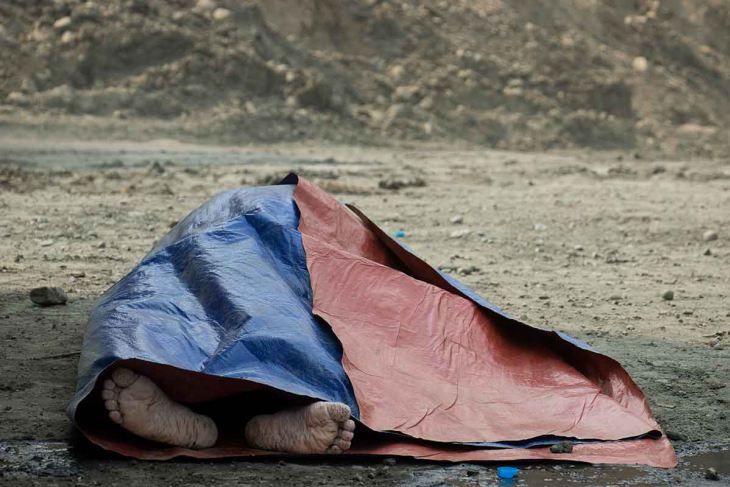
Myanmar’s deadly jade mining

Myanmar’s jade mining industry was dealt another blow last month when a landslide left more than 50 people feared dead.In a poorly regulated industry plagued by corruption, dozens die each year in Myanmar’s jade mining landslides – with last month’s deaths the latest in a long string of accidents to befall the Hpakant area of Kachin state.

21 May 2019
0

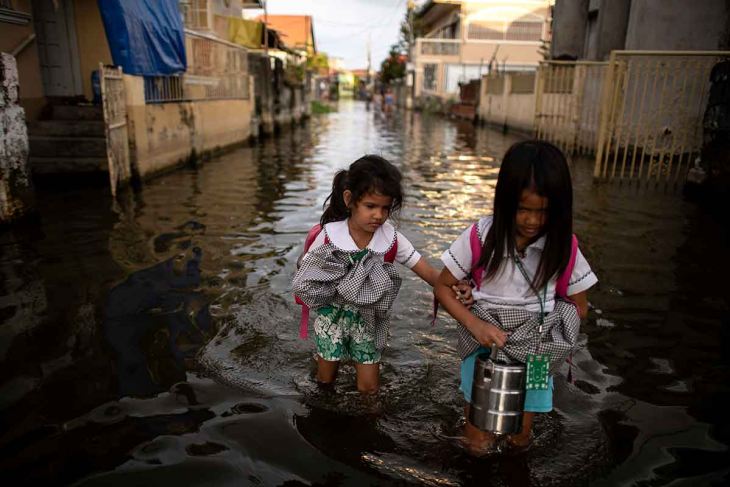
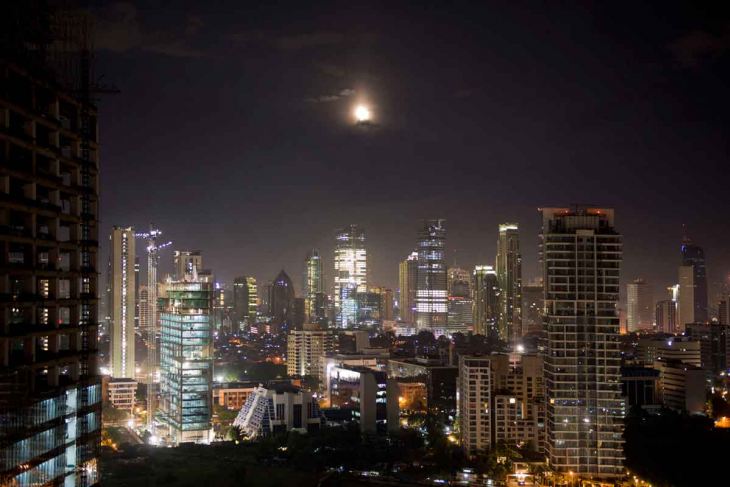
ASEAN’s megacities in danger

As megacities emerge across the globe, the ones in Asia remain among the fastest growing and cheapest places to build. These cities will continue to grow in size and affluence, due to ever-increasing urban populations. The United Nations (UN) describe megacities as urban areas with a population of 10 million or more. If urban populations continue to swell at their current rate, the number of megacities in the world could increase to 43 by 2030.

20 May 2019
0