Sustainable Development

ASEAN Cities Threatened By Climate Change

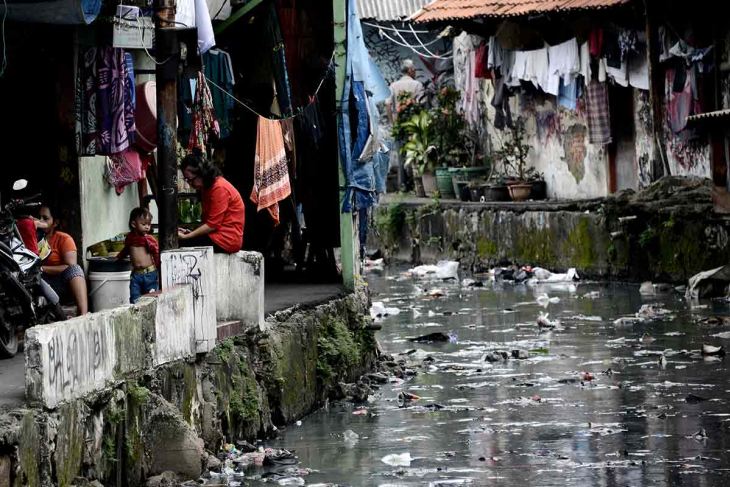
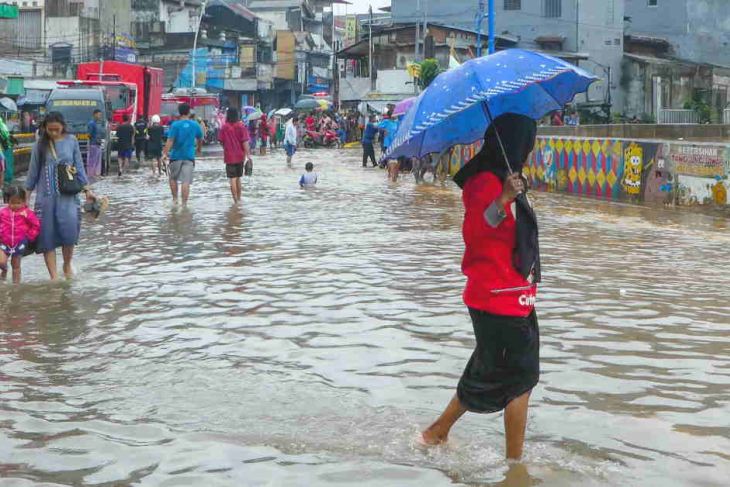
The World Bank estimates the global population to reach 8.5 billion by 2030 with two-thirds of this number living in cities. From that, an estimated 90 million people will move to cities in the Southeast Asian region. This means that urban dwellers would reflect 45 percent of ASEAN’s population where millions of people, especially those living in vulnerable places along river banks, canals and hill sides, will be exposed to the harmful effects of environmental damage.

7 February 2021
0

Optimism For The New Year

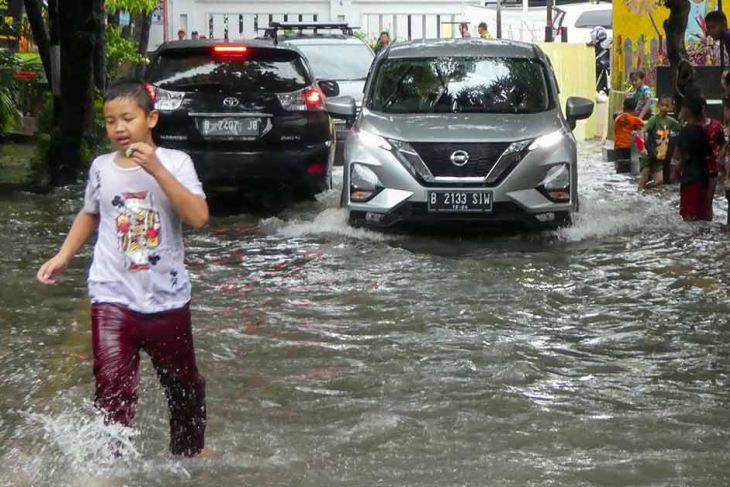
The year 2020 was a harrowing one, with the COVID-19 pandemic, worldwide economic reversals, widespread climate-related disasters, pervasive social unrest, and even United States (US) President Donald Trump’s phony claims about massive electoral fraud and calls among his backers for martial law. Yet, despite the grim news, the year also brought some powerful reasons for optimism.

6 January 2021
0

Surviving Climate Change In ASEAN’s Cities

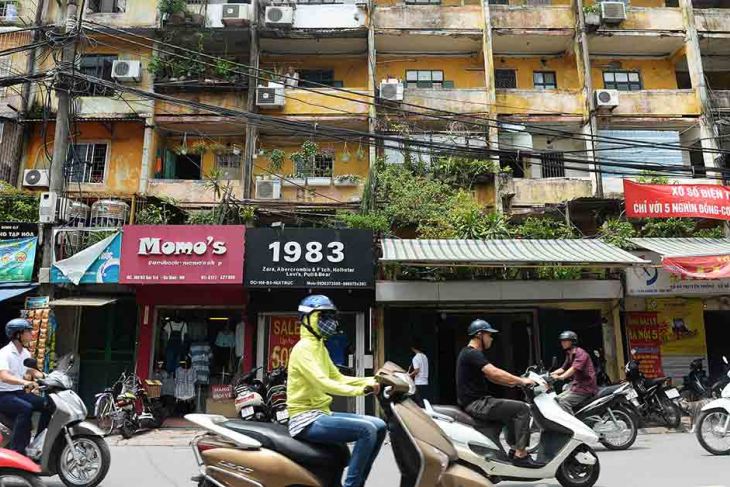
According to the World Bank, the global population is projected to reach 8.5 billion by 2030 with two-thirds of this number living in cities. From that, an estimated 90 million people will move to cities in the ASEAN region. This means that urban dwellers would reflect 45 percent of ASEAN’s population where millions of people, especially those living in vulnerable places along river banks, canals and hill sides, will be exposed to the harmful effects of environmental damage.
22 August 2020
0

Recycling old buildings to save the environment

Southeast Asia is rapidly developing its cities in anticipation of increasing urban populations by 2025. A report by Knight Frank, a real estate firm, showed that in 2018, Metro Manila added an additional 1.5 million square metres of office space, whereas Bangkok’s general supply of new office space in the same year was at least five million square metres while Phnom Penh, in Cambodia, had 110 new condominiums towers.

23 February 2020
0

Construction sector addressing climate change

The construction sector is complicit in the threat of climate crisis, emitting carbon dioxide (CO2) gas through greenfield development, material production and the use of fossil fuels.

17 November 2019
0

How to save the planet?

What is the appropriate response to the threat of climate change? To some climate activists, it means we must give up on economic growth, capitalism or even industrial society itself. This extreme viewpoint, if correct, would require modern humanity to abandon much of what makes life comfortable and secure. It also causes many on the political right – and some in the centre – to suspect climate activism of being merely an excuse to end capitalism.

23 June 2018
0

Green growth strategies in Southeast Asia

Across the globe, the paths of economic growth and development are on an unsustainable trajectory, risking the natural assets and environmental services upon which long-term economic growth and human well-being are dependent on. Addressing natural capital depletion, pollution, the loss of biodiversity, and climate change is urgent in developing nations. These environmental trepidations threaten to undermine development efforts and reverse the gains made thus far.

27 May 2018
0

Smart cities to provide sustainability solutions for Southeast Asia

A smart city is one that adopts scalable solutions so as to take advantage of ICT in order to increase efficiencies, reduce costs and enhance quality of life, according to technology conglomerate Cisco. Smart cities can help to overcome the strain on urban resources brought upon by rapid urbanisation, an aging population, and a changing energy climate. This would help ASEAN meet its long-term sustainable development goals.

8 March 2018
0

Infrastructure development, done the InfraCo Asia way

As the Southeast Asian region develops rapidly, its future lies in sustainable development. The combined Gross Domestic Product (GDP) of Association of Southeast Asia Nations (ASEAN) members stands at 2.4 trillion dollars. As a singular economic bloc, ASEAN is the seventh largest economy in the world and is poised to be the fourth largest by 2050. The annual average projected growth from 2016 to 2020 is approximately 5.2 percent.

2 December 2017
0