


Malaysia: A Leader In Sustainable Forest Management
Malaysia is recognised globally for achieving the right balance between conservation and development.
Malaysia is recognised globally for achieving the right balance between conservation and development.

Connie Hedegaard sits down with Bill Gates, the American business magnate and Microsoft co-founder to talk about climate change.Connie Hedegaard (CH): Let me start with a confession: For years, I thought you were not particularly interested in climate change. I vividly recall a closed session at Davos some years back. The discussion turned to climate, instead of other sustainability issues, and you left the room.Now you powerfully and emphatically make the case for urgent climate action.
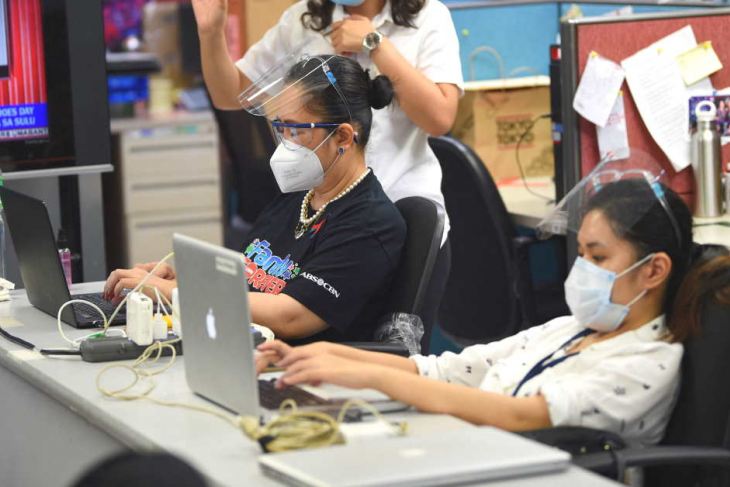
The COVID-19 crisis has confirmed, yet again, the importance of broad access to clear, reliable, and accurate information.
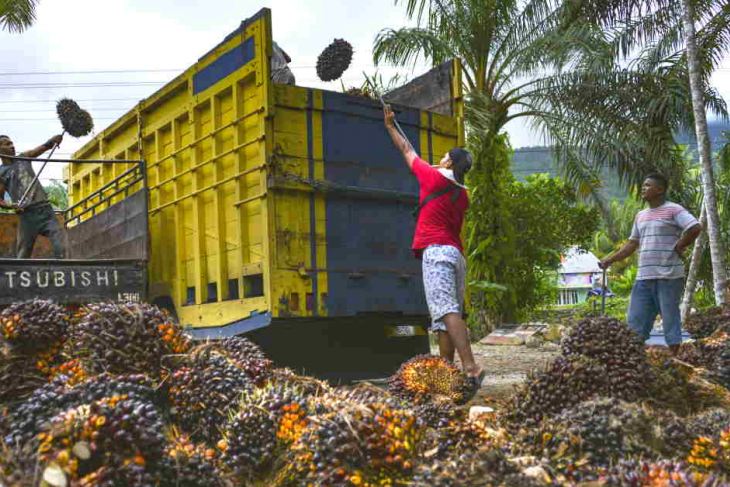
Indonesia, the world’s fourth most populous nation, and 10th largest economy in terms of purchasing power parity, has made enormous gains in poverty reduction – cutting the poverty rate by more than half since 1999, to 9.78 percent in 2020. Nevertheless, out of a population of 270.2 million, an estimated 26.42 million Indonesians still live below the poverty line.
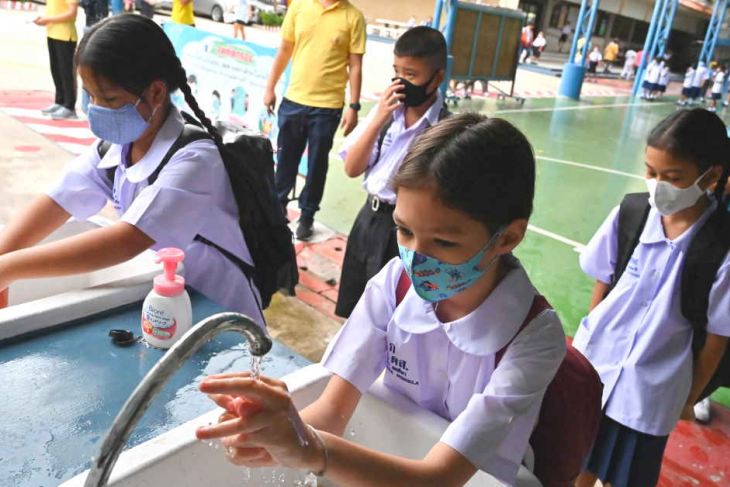
The arrival of COVID-19 vaccines is giving the world hope of ending the pandemic, but many countries remain consumed by the virus’s spread. So, as we wait for widespread availability and distribution of the vaccines, preventive health measures such as social distancing, mask-wearing, and hand-washing will remain critical to containing the disease. For some, following this guidance is not feasible.
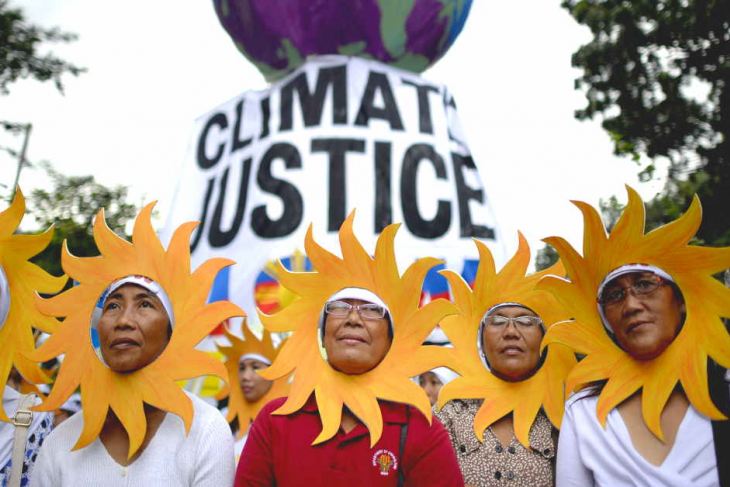
Many parts of Asia seem to be emerging from the COVID-19 pandemic relatively well. But overcoming the public-health crisis is only one challenge the region faces.
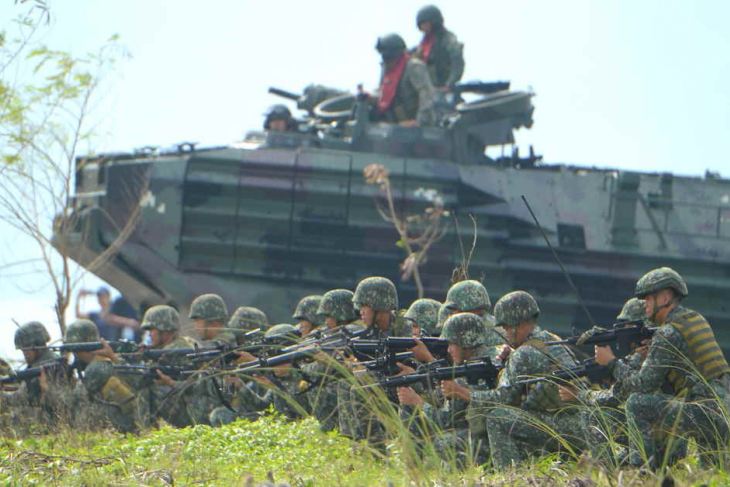
In the post-Cold War era, the formation and the creation of regional groups like ASEAN and the European Union (EU) bears the promise of promoting not only regional bargaining economic power but as alternative mechanisms and structures in facilitating and consolidating regional peace, security, and stability within the territorial boundaries of these regional groupings and beyond. Regional blocs like ASEAN were established in an attempt to facilitate and promote regional collective pe

Cities are home to most of the world’s population and where problems and solutions meet. They are centres of economic growth and innovation. However, the high concentration of people and economic activities in cities make them most vulnerable to various disasters, epidemics and pandemics. In several countries, the COVID-19 pandemic emerged in cities and spread to rural areas via peri-urban and transport corridors.

Chinese investors have allocated more than US$2 trillion to overseas investment and construction in the past decade and a half.
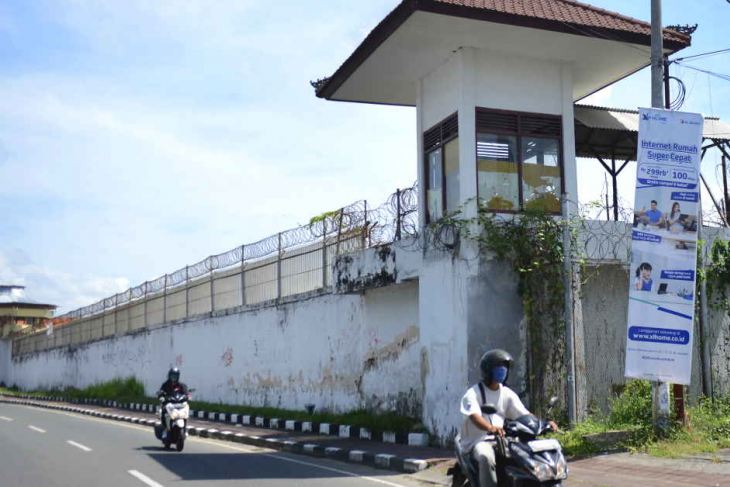
Few good things will come out of the COVID-19 pandemic, which has now killed more than 2.2 million people worldwide. But one possible silver lining could be serious prison reform – including in Malaysia. In September 2020, an initially small COVID-19 cluster, centred around the Lahad Datu police headquarters and Tawau prison on the island of Borneo, quickly exploded into the biggest cluster of Malaysia’s second COVID-19 wave, infecting 1,146 people.
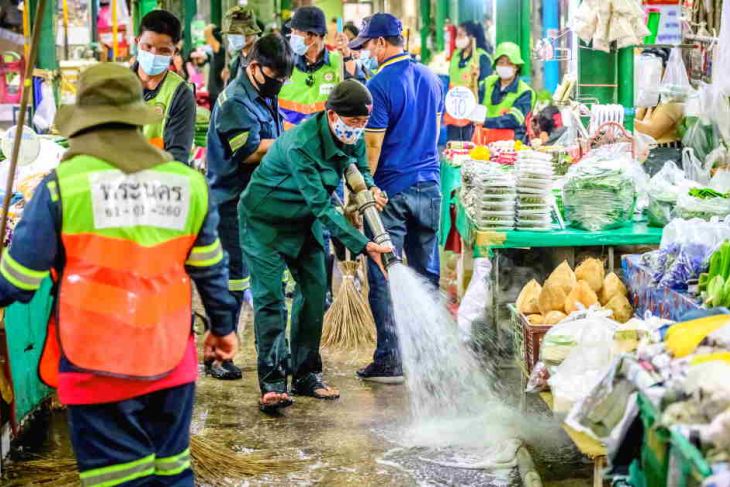
It is probably premature to offer an assessment of the COVID-19 pandemic’s possible consequences, not least because there may well be many more twists and turns to come. And once we defeat the coronavirus, some of the pandemic-induced changes to our lives might turn out to have been temporary.
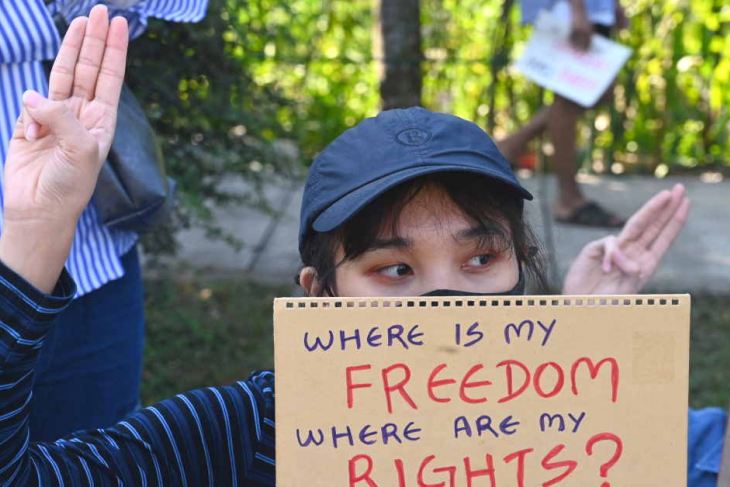
Myanmar, once known as Burma during colonial times, is perhaps the most controversial member state in ASEAN today. What happened on 1 February, 2021, where the Tatmadaw or Myanmar’s military seized power in a coup against the elected government of Nobel laureate Aung San Suu Kyi, who was detained alongside some senior leaders of her National League for Democracy (NLD) party, is without a doubt a backlash and a major setback of the budding and nascent democratisation